Bamboo charcoal has gained popularity due to its numerous benefits, including environmental sustainability, air purification, and health applications. Derived from the fast-growing bamboo plant, this type of charcoal is produced through a meticulous process that transforms the raw plant material into a versatile product. Understanding the stages involved in making bamboo charcoal highlights the intricate blend of traditional methods and modern innovations that make this industry both fascinating and promising.
Harvesting and Preparing Bamboo
The journey of bamboo charcoal begins with the careful selection and harvesting of mature bamboo, typically aged between three to five years. At this age, bamboo has developed the necessary density and lignin content ideal for charcoal production. Once harvested, the bamboo is cut into manageable lengths and subjected to a drying process. This step is crucial as it reduces the moisture content of the bamboo, making it more efficient for carbonization and preventing excessive smoke and wastage during the production stage.
Carbonization Process
The core of bamboo charcoal production is the carbonization process, which involves heating the bamboo in a kiln at high temperatures, typically ranging from 600 to 1200 degrees Celsius. This process is done in a low-oxygen environment to ensure that the bamboo doesn’t combust into ash but instead undergoes pyrolysis, where its structure breaks down, leaving behind almost pure carbon. Traditional methods use earthen kilns, but modern techniques employ steel kilns with precise temperature controls, enhancing efficiency and consistency in the quality of the charcoal produced.
Cooling and Stabilization
After the carbonization process, the bamboo charcoal must be allowed to cool slowly within the kiln. This gradual cooling is essential to prevent the charcoal from cracking or becoming brittle. Once cooled, the charcoal is stable and can be removed from the kiln. This stage solidifies the charcoal’s structure, ensuring it retains its beneficial properties and is ready for further use or processing.
Processing and Packaging
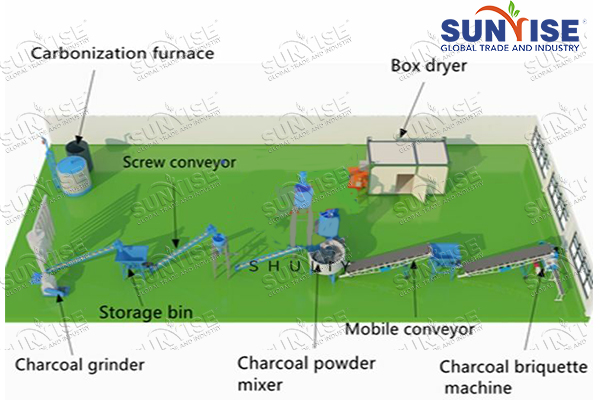
The final stage involves processing the charcoal into various forms depending on its intended use. Bamboo charcoal can be ground into a fine powder for use in cosmetics, toothpaste, and air purifiers, or it can be cut into uniform pieces for grilling and cooking purposes. The processed charcoal is then packaged appropriately to preserve its quality and ensure ease of transportation. Eco-friendly and secure packaging solutions are often employed to align with the sustainable ethos of bamboo charcoal production.
Applications and Uses
Bamboo charcoal’s versatility is evident in its myriad applications. It is renowned for its ability to absorb odors, moisture, and pollutants, making it a popular choice for air purification products. Its natural composition also renders it suitable for use in skincare and health products, where it is prized for its detoxifying properties. In addition, bamboo charcoal is widely used in culinary applications, especially in Asian cuisines, where it contributes a unique flavor and efficient heat distribution during cooking.
Conclusion
The process of making bamboo charcoal is a testament to the sustainable utilization of natural resources. By transforming bamboo into a valuable product through careful harvesting, precise carbonization, and thoughtful processing, we unlock a range of ecological and economic benefits. As interest in sustainable and eco-friendly products continues to grow, bamboo charcoal stands out as a prime example of innovation meeting tradition for the greater good. Visiting: https://www.ysxcharpro.com/product/bamboo-charcoal-production-line/
Leave a Reply