A charcoal briquette making machine can be profitable in 2026, but profitability depends less on the machine itself and more on feedstock cost, energy pricing, and your ability to sell a consistent, standardized product. Demand remains strong in BBQ and catering markets, shisha/hookah segments (where permitted), and industrial heating applications. Buyers increasingly want uniform briquettes with low ash and stable burn time, which favors producers who can control raw material quality and moisture. If you can secure reliable customers—restaurants, wholesalers, or export traders—your revenue becomes more predictable and the investment risk drops.
Real Cost Breakdown: What You Actually Pay For
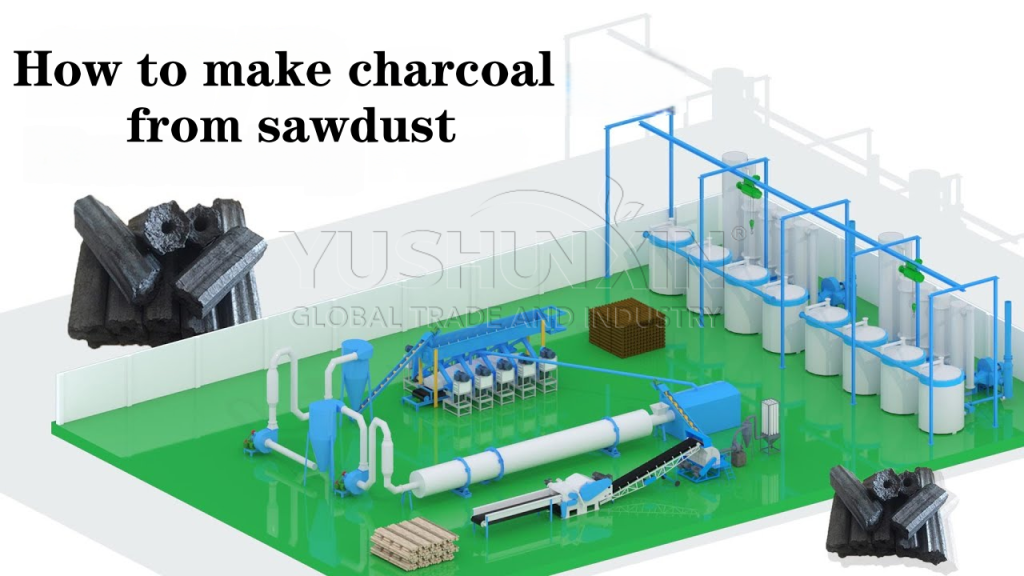
The headline price of a charcoal briquette machine is only one part of the total investment. A practical setup usually includes a crusher (to size biomass or charcoal fines), a dryer (often the largest energy user), a mixer (for binder and water control), the briquette press, and sometimes a carbonization step if you start from raw biomass rather than charcoal fines. Operating costs typically include electricity or diesel, labor, binder (such as starch or molasses depending on recipe), packaging, and wear parts like rollers, bearings, and dies. Transport and storage also matter: wet feedstock, poor covering, or long-distance hauling can quietly erase margins.
Revenue Drivers: Product Type and Selling Price
Your selling price depends on briquette shape (pillow, hexagonal, stick), density, ash content, and packaging quality. Premium markets pay more for clean, odor-free briquettes with stable burn, while local bulk buyers often compete on price. Profitability improves when you monetize byproducts and reduce waste—using charcoal fines from other processes, selling sawdust-based briquettes as a secondary line, or capturing heat from carbonization to support drying. The more you can stabilize quality, the less you rely on discount pricing.
ROI in Practice: When the Numbers Work
A basic ROI model is: monthly profit = (selling price per ton − total cost per ton) × tons sold. In many real operations, payback becomes attractive when (1) feedstock is low-cost or internally generated, (2) drying is efficient, and (3) sales volume is steady enough to keep the line running near capacity. If you run intermittently, unit costs rise quickly due to labor, startup losses, and inconsistent moisture control. Strong projects often aim for a payback window around 12–24 months, but this varies widely by region, energy cost, and market price.
Practical Tips to Improve Profitability
Before you buy, test your exact feedstock and confirm moisture targets, binder ratios, and achievable output per hour. Get a full quote including dryer fuel consumption, spare parts, and after-sales support. Finally, secure at least one stable buyer contract or distributor agreement; in 2026, market access and consistent quality are often more important than buying the biggest machine. Visiting: https://www.char-molder.com/product/charcoal-briquette-machine-price/
Leave a Reply