Why Sawdust Charcoal Briquettes Can Be Profitable
Sawdust charcoal briquettes can turn a low-cost byproduct—sawdust from sawmills, furniture factories, or carpentry shops—into a marketable fuel. Profitability comes from the gap between inexpensive raw material and the selling price of a consistent, clean-burning briquette. Demand is often steady in households (cooking and heating), restaurants and barbecue businesses, and small industries that need affordable solid fuel. In some regions, buyers also prefer briquettes because they are easier to package, transport, and store than loose charcoal or firewood.
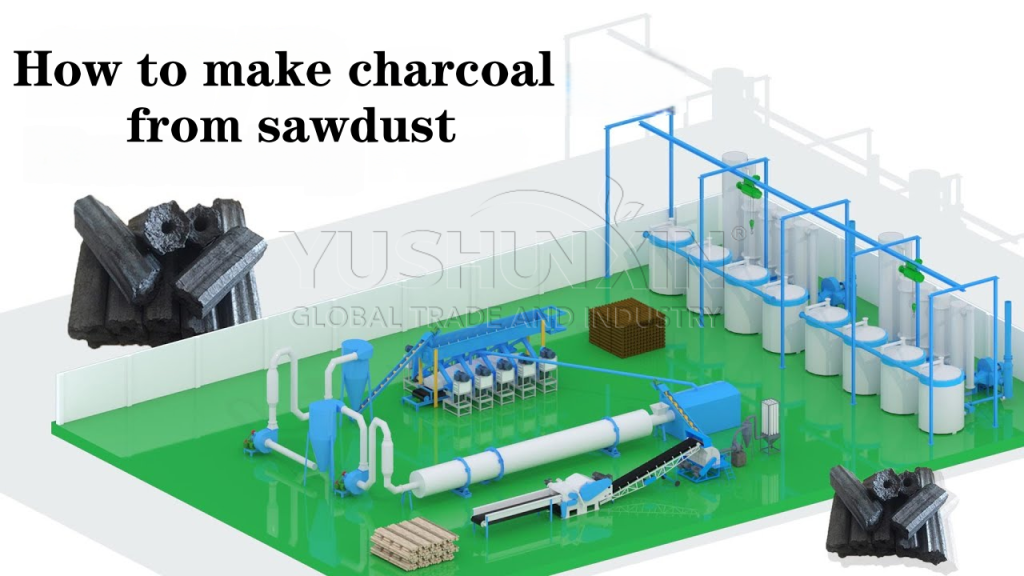
Main Revenue Streams and Typical Selling Channels
Your primary income is the sale of finished briquettes, usually priced by kilogram or by bag (for example 5–25 kg bags). Higher margins often come from branded, uniform products sold to retailers, wholesalers, or food-service distributors. Some producers also earn extra by selling “fines” (small crumbs) to industrial users or by offering private-label packaging for large customers. If you can provide consistent size, low ash, and reliable burn time, you can often negotiate better contracts and reduce the risk of price swings.
Key Costs That Determine Your Profit Per Ton
Your cost per ton depends on raw material pricing (free, paid, or delivered), moisture level, and fuel or electricity costs for drying and carbonization. The major expense categories include: sawdust collection and transport, drying (sun drying vs. mechanical dryer), carbonization (kiln or continuous carbonizer), binder (if used), briquetting press energy consumption, labor, packaging, and maintenance. Equipment depreciation also matters: a small manual setup may be cheap to start but may struggle to scale, while a more automated line can increase output and lower labor cost per ton.
Simple Profit Calculation (Example Framework)
A practical way to estimate profit is:
Profit = (Selling price per ton × tons sold) − (Total production cost per ton × tons produced) − overhead.
For example, if your all-in cost is $120 per ton and you sell at $200 per ton, your gross margin is $80 per ton before rent, financing, and administration. If you can produce and sell 50 tons per month, that’s $4,000 gross margin monthly. The numbers vary widely by location, but the method is the same: measure your true cost per ton, then test the market price you can consistently achieve.
What Increases Earnings the Most
The biggest profit boosts usually come from improving efficiency and product quality: drying sawdust to the right moisture, optimizing carbonization to reduce waste, and producing dense briquettes that don’t crumble. Better packaging and consistent sizing can open higher-paying markets. Finally, securing stable sawdust supply contracts and repeat buyers often matters more than chasing the highest spot price, because reliability keeps your machines running and your cash flow predictable. Visiting: https://www.char-molder.com/product/sawdust-briquette-charcoal-making-machine/
Leave a Reply