Bamboo charcoal production is an environmentally friendly and sustainable process that involves converting bamboo into a valuable and versatile product. The production line utilizes advanced technology to efficiently transform bamboo into high-quality charcoal with various applications, such as water purification, air filtration, and soil improvement. This innovative process ensures minimal environmental impact and promotes the use of renewable resources for a greener future.
The Rise of Bamboo Charcoal Production
In recent years, bamboo charcoal production has gained significant traction as a sustainable and eco-friendly alternative to traditional charcoal. Bamboo, known for its rapid growth and renewability, serves as the primary raw material for producing charcoal through a specialized production line. The process involves carbonizing bamboo at high temperatures, followed by activation to enhance its porous structure. The resulting bamboo charcoal boasts a wide range of applications, from air and water purification to skincare and agriculture. The rise of bamboo charcoal production signifies a shift towards more sustainable practices in the charcoal industry, addressing the growing demand for environmentally-friendly alternatives.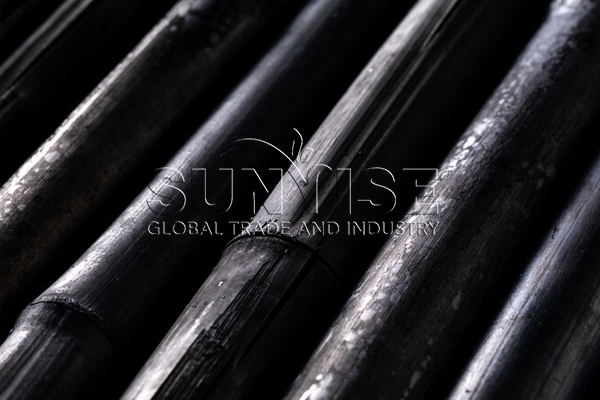
The Bamboo Charcoal Production Process
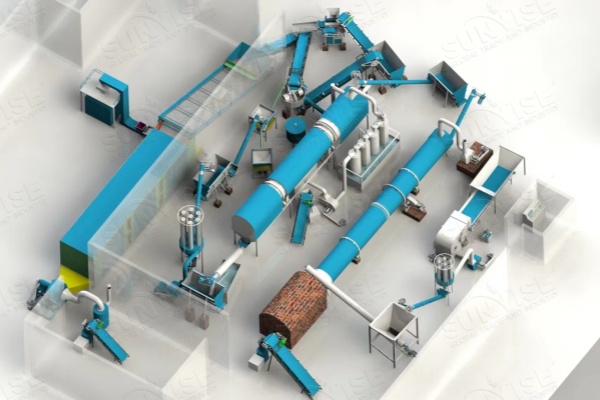
The bamboo charcoal production process begins with the careful selection of high-quality bamboo as the raw material. Bamboo forests are sustainably managed to ensure a constant supply of raw materials for charcoal production. The harvested bamboo is then processed into smaller pieces and carbonized in a controlled environment. Carbonization involves heating the bamboo at temperatures between 800 to 1200 degrees Celsius, which removes moisture and volatile components, leaving behind a carbon-rich material. The carbonized bamboo undergoes activation, typically through steam activation, to further enhance its porous structure and increase its adsorption capacity. This activation process plays a crucial role in improving the effectiveness of bamboo charcoal in various applications, such as air and water purification.
Applications of Bamboo Charcoal Products
The versatility of bamboo charcoal products makes them highly sought after for a wide range of applications. Activated bamboo charcoal is commonly used in air purification products, such as charcoal bags and filters, to remove odors, allergens, and pollutants from indoor spaces. In water filtration systems, bamboo charcoal effectively absorbs impurities and contaminants, providing clean and safe drinking water. The skincare industry has also embraced bamboo charcoal for its detoxifying and exfoliating properties, used in soaps, masks, and cleansers. Moreover, bamboo charcoal is utilized in agriculture to improve soil quality, enhance nutrient absorption, and promote plant growth. The diverse applications of bamboo charcoal highlight its multifaceted benefits and the growing demand for sustainable and natural alternatives in various industries.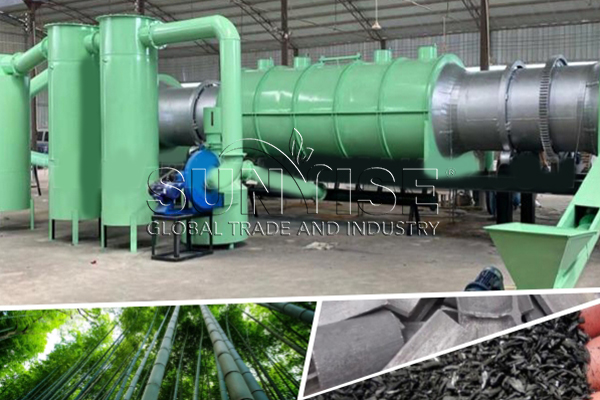
In conclusion, the Bamboo Charcoal Production Line represents a significant advancement in sustainable charcoal production, offering a renewable and eco-friendly alternative to traditional charcoal. The production process, from raw material selection to activation and shaping, ensures the quality and purity of bamboo charcoal products for diverse applications. By harnessing the natural properties of bamboo, the production line creates a valuable resource that not only benefits the environment but also contributes to a healthier and more sustainable future. The rise of bamboo charcoal production reflects a growing awareness of the importance of eco-friendly practices and the demand for innovative solutions in the charcoal industry. If you are interested in our charcoal production machines or charcoal production lines, please feel free to contact us: https://www.sunrisecharpro.com/
Leave a Reply