Understanding Charcoal Briquette Machine Price in Real-World Terms
A charcoal briquette machine price can range from relatively affordable small extruders and roller presses to high-capacity industrial lines, and the difference is not just brand name. Price is driven by hourly output, motor power, build quality (gearbox, bearings, wear parts), automation level, and what’s included—feed conveyors, mixers, dryers, and packaging units can double the total investment. When comparing options, focus on cost per ton of finished briquettes rather than the sticker price alone, because low-cost machines may require more labor, more downtime, and more frequent replacement parts.
Key Equipment Choices That Affect Total Cost
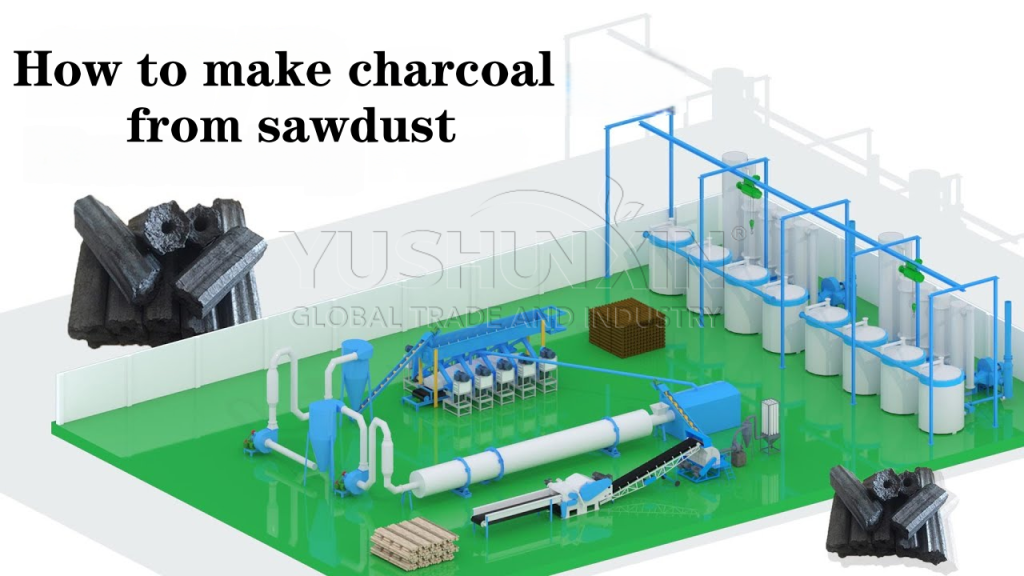
Your production line typically includes raw material preparation (crushing, screening), mixing/binding, briquetting, drying, and storage. If you use charcoal fines from kilns or purchased charcoal powder, you may still need a grinder or hammer mill to standardize particle size. A mixer is essential for consistent binder distribution, and a dryer is often the hidden cost center: wet feedstock creates weak briquettes and slows output. Roller press machines suit pillow/oval shapes and can be efficient at scale, while screw extruders are common for rod or hexagonal briquettes and may consume more power due to continuous compression.
Production Cost Breakdown: What You Pay per Ton
Production cost is usually a combination of raw materials, binder, labor, power, packaging, and maintenance. Raw charcoal fines may be cheap—or even negative-cost if you’re taking waste from another producer—but quality varies, which affects yield. Binder cost (starch, molasses, or other formulations) is often a meaningful percentage of unit cost, especially when customers demand low ash and minimal smoke. Electricity depends on motor sizes and drying method, while labor depends on automation and how often you need to adjust moisture and feed rates. Plan for wear parts (screws, rollers, dies) as a predictable expense rather than an emergency.
Output, Quality, and the Hidden Economics of Drying
Drying determines whether your briquettes are strong, clean-burning, and shippable without breaking into dust. Natural sun drying lowers energy cost but increases space needs and limits production in humid seasons. Mechanical drying increases consistency and throughput but can significantly raise operating expenses unless you use waste heat or biomass burners. Moisture control also affects packaging: brittle briquettes create fines that reduce sellable yield and damage your brand.
Profit Planning: Pricing, Channels, and Payback Period
To build a full business guide, map your target market first—BBQ retail, restaurants, shisha/hookah, industrial boilers, or export. Each segment values different specs (calorific value, ash content, shape, odor, burn time), which influences binder choice and process settings. Strong margins usually come from stable supply contracts and branded packaging rather than bulk sales alone. A practical plan estimates break-even tonnage per month, includes seasonal demand swings, and sets aside working capital for inventory, binder закуп, and maintenance. With consistent feedstock and controlled moisture, many producers reach payback faster by scaling sales channels before scaling machinery. Visiting: https://www.char-molder.com/product/charcoal-briquette-machine-price/
Leave a Reply